ServicesExtractions
Tooth Extractions in Hebron, TX
A tooth split down into the root, hollowed out by decay or pushing its neighbors out of line can damage the bone and teeth beside it. We map the roots with imaging, give you the plan and cost in writing, and cover your replacement choices before any tooth comes out.
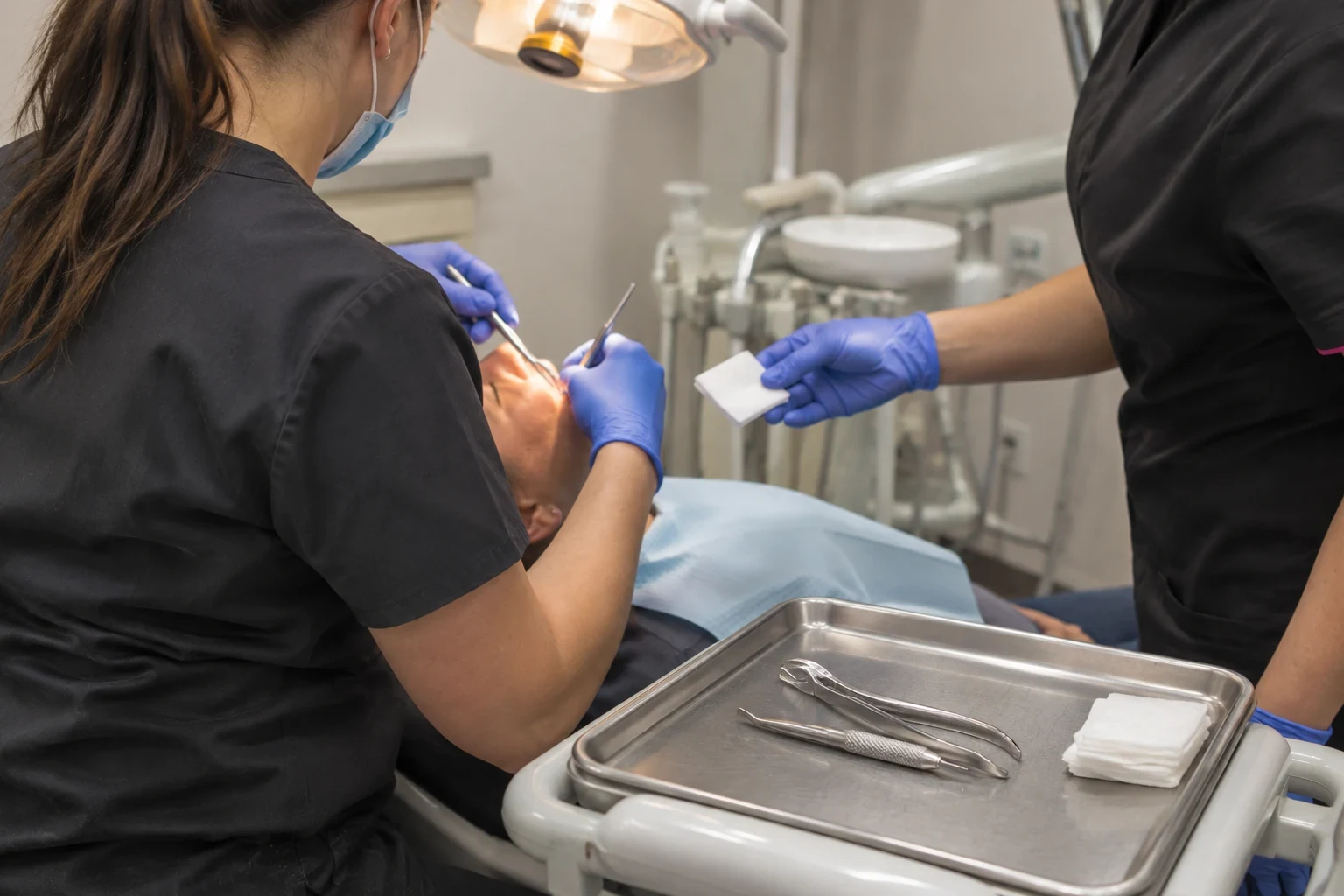
Keeping Teeth When We Can, Removing Them When We Should
Our first goal is to keep your natural tooth. Plenty of infected or cracked teeth can be rebuilt with a root canal and a crown, and if that option fits you better, we say so directly. Removal is the better answer when a fracture travels down through the root, when decay has left too little tooth to support a crown, when gum disease has eaten away the bone around the root, or when the tooth stands in the way of orthodontic treatment.
Our board-certified dentist plans and carries out every extraction in our office. You receive a written treatment plan before the appointment that names the tooth, states whether the removal is simple or surgical, notes any recommended bone graft, and shows the cost of each piece. When an X-ray reveals something new, we walk you through it and get your approval before going ahead.
What Your Extraction Includes
Digital X-rays and CBCT imaging
A standard X-ray shows decay and bone level. When roots are curved, close to the sinus floor or near the nerve canal in the lower jaw, a 3D CBCT scan shows exactly where they sit so we can plan a safer removal.
Thorough local anesthetic
We numb the tooth and surrounding tissue with local anesthetic and test before starting. You should feel pressure, not sharp pain. If you feel anything sharp, we stop and add more.
Simple or surgical removal
A simple extraction uses an elevator to loosen the tooth in its socket and forceps to lift it out. A surgical extraction is for teeth broken at the gumline or with locked roots; we may section the tooth into pieces so each root comes out without stressing the jaw.
Socket care and grafting when planned
After removal we clean the socket of infected tissue. If you plan on dental implants later, a bone graft placed now helps keep the ridge wide enough to hold one.
Written aftercare instructions
You leave with gauze, printed instructions and a clear list of what is normal and what is not during healing.
Signs a Tooth May Need to Come Out
A crack you can feel with your tongue
Cracks that split the tooth into the root usually cannot be sealed. Pain when you release a bite is a common clue.
A tooth that keeps getting worse
Large decay that has reached the pulp and undermined the walls may be past the point a filling or crown can hold.
Looseness from gum disease
When periodontal disease has destroyed the bone around a root, the tooth moves and can harbor ongoing infection.
Swelling or a pimple on the gum
These point to an abscess at the root tip. Sometimes a root canal saves the tooth; sometimes the root is too damaged and removal clears the infection.
Broken root tips left behind
An old filling or crown that snapped off can leave root fragments under the gum that become a source of infection.
What Happens on Extraction Day
- 1
Look closely at the tooth
We check the tooth and gum, capture digital X-rays, and order a CBCT scan when the roots sit somewhere that needs a 3D view. A lot of patients begin with our $25 focused evaluation, which includes the exam, the imaging and treatment planning.
- 2
Go over the written plan
We show you what the images reveal and give you a written quote that spells out the extraction type, any graft and what you should expect to pay after insurance. No item gets added afterward unless you approve it.
- 3
Numb, then remove
When the area is completely numb, we release the periodontal ligament that anchors the tooth and lift it free, or divide it into sections when the roots demand it. A single extraction typically takes well under an hour.
- 4
Protect the socket and recover
Gauze goes over the socket to guard the clot, stitches are placed if needed, and we review your aftercare. For the first few days, skip straws and smoking and chew on the other side so the clot holds and a dry socket does not develop.
What Shapes the Price of Removing a Tooth
Most of the fee depends on where the tooth sits and how much work a safe removal takes. Your written quote lists each part on its own line, so the extraction, any imaging and any graft each carry a separate cost. We are in-network with 15+ major PPO dental insurance plans, and patients without insurance can join our in-house Membership Plan.
- Simple or surgical removal
- An intact tooth that stands fully above the gum comes out faster. A tooth broken off at the gumline, or one whose roots have to be sectioned, needs more chair time and costs more.
- Root shape and position
- Long, curved or fused roots, and roots close to the sinus or the nerve in the lower jaw, slow the work and may call for a CBCT scan before we begin.
- A graft in the socket
- Bone graft material adds to the fee, but it keeps the ridge from shrinking if a dental implant comes next.
- How many teeth come out
- Removing several teeth in one visit usually costs less in total than spreading them across appointments, which matters most when we are getting your mouth ready for dentures.
- Your coverage and payment plan
- What you owe depends on your PPO deductible, coverage percentage and yearly maximum. You can also spread the balance over as long as 24 months with 0% interest financing, and the preapproval check leaves your credit score untouched.
Common Questions About Extractions
Something not covered here? (972) 663-5467
Will I feel pain while the tooth comes out?
You should not feel sharp pain, since we numb the tooth and the tissue around it with local anesthetic and check before we start. Expect a firm pressing sensation as the tooth loosens. Once the numbness wears off, over-the-counter pain relievers handle the soreness for most patients over the next few days.
Do I need to replace a tooth once it is gone?
In most cases we recommend it, and back teeth especially. With no root left to stimulate it, the bone in that spot thins out and the teeth beside the gap tip and shift. Dental implants, a bridge or a partial denture can fill the space, and your written plan lists each one so you can weigh them side by side.
What causes a dry socket, and how can I prevent one?
The clot that forms in the empty socket protects the bone while it heals. If that clot washes out or breaks down too soon, the bone is left bare and a deep, throbbing ache usually starts two to four days later. Avoid straws, smoking and forceful rinsing for the first several days, and follow the printed aftercare sheet you take home.
How long until the area is healed?
The gum generally closes over the socket in about two weeks. New bone keeps forming underneath for several months, so implant placement is usually scheduled after that, unless we planned a graft or an implant at the same visit.
How is this different from wisdom teeth removal?
Many of the same steps apply, but impacted wisdom teeth often lie partly beneath bone and gum and need more surgical planning. The Wisdom Teeth Removal page walks through that process.
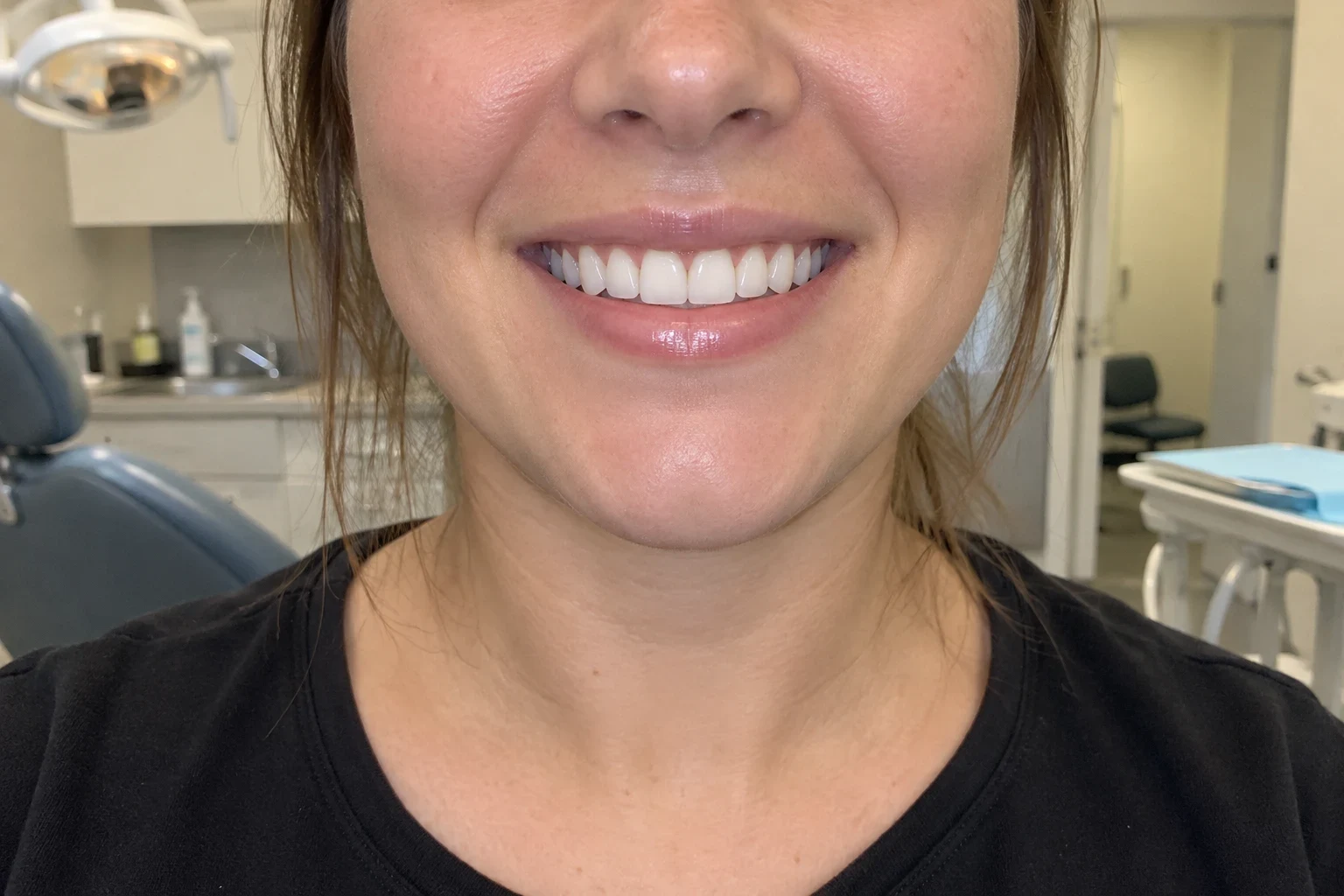
Get a Clear Answer About That Tooth
Bring us the tooth that is bothering you. We will image it, tell you whether it can be saved, and put the plan and cost in writing before anything happens.